
2 years ago · wemnetadmin · Comments Off on New Report blames Total, CNOOC over environment disasters
New Report blames Total, CNOOC over environment disasters
Summary:
The Tilenga, Kingfisher and EACOP oil projects in Uganda have caused new harms for human rights, including labour rights violations and environmental degradation. Previously documented patterns of abuses, such as impacts on communities’ land rights, have also continued.
BY EPHRAIM KASOZI
Oil firms, Total Energies and China National Offshore Oil Company (CNOOC) have been indicted in new environmental impacts reportedly emerging as construction works advance, especially for communities living in close proximity to oil sites, a new report has revealed.
The report titled ‘HEATED: Human rights, frontline communities, and oil in Uganda’ shows that the Tilenga, Kingfisher and East African Crude Oil Pipeline (EACOP) oil projects have caused new harms for human rights, including labour rights violations and environmental degradation.
-
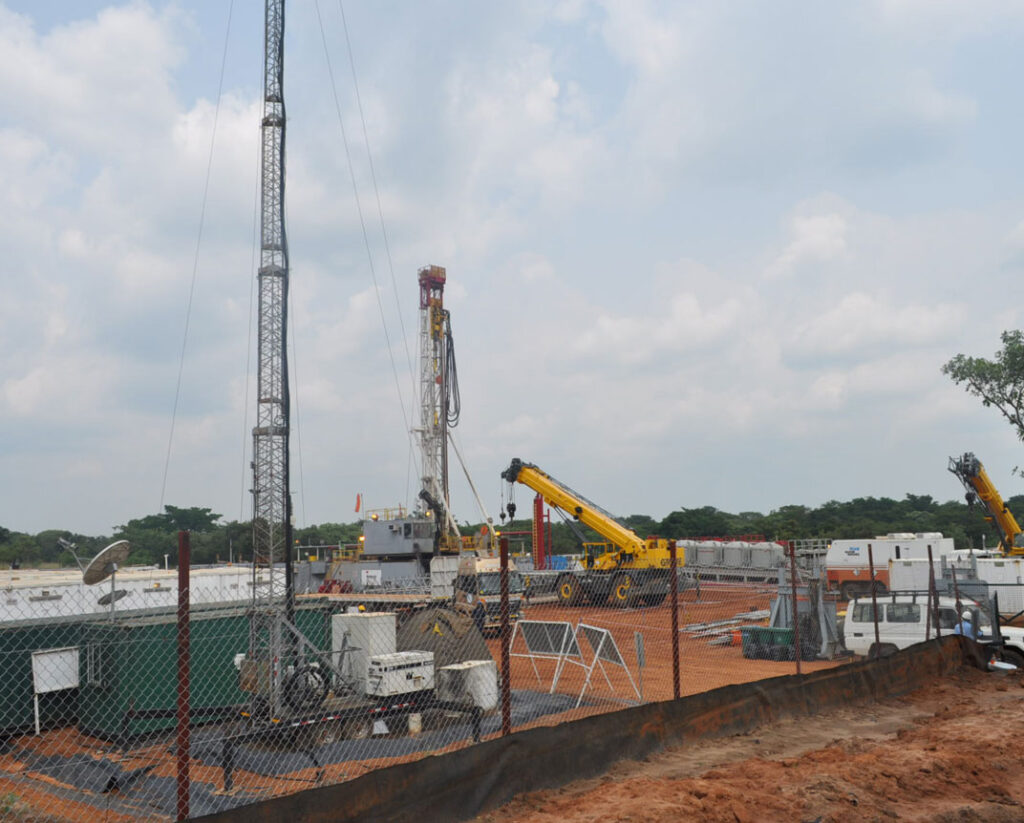
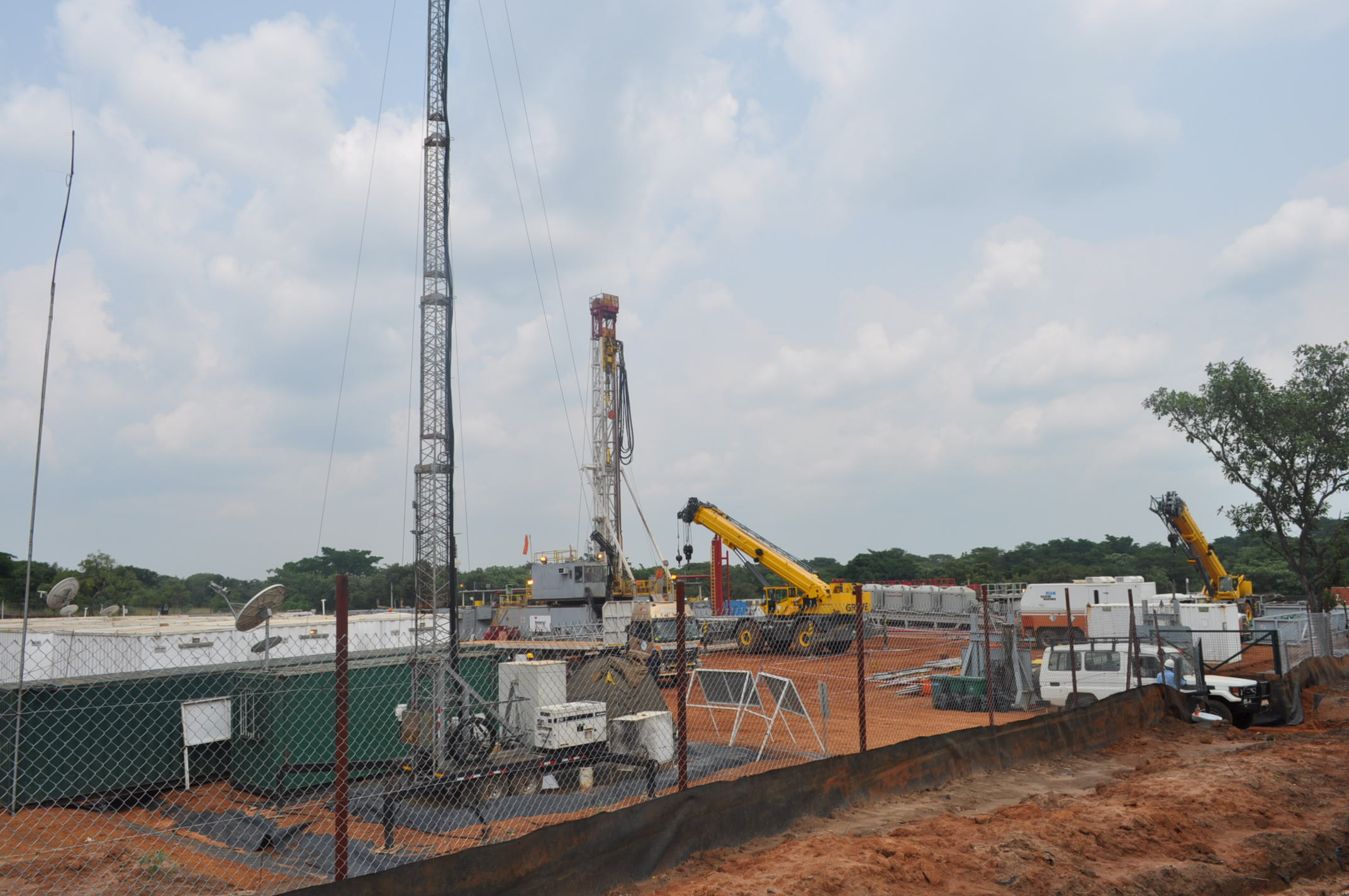
- Photograph showing part of the earlier works
-
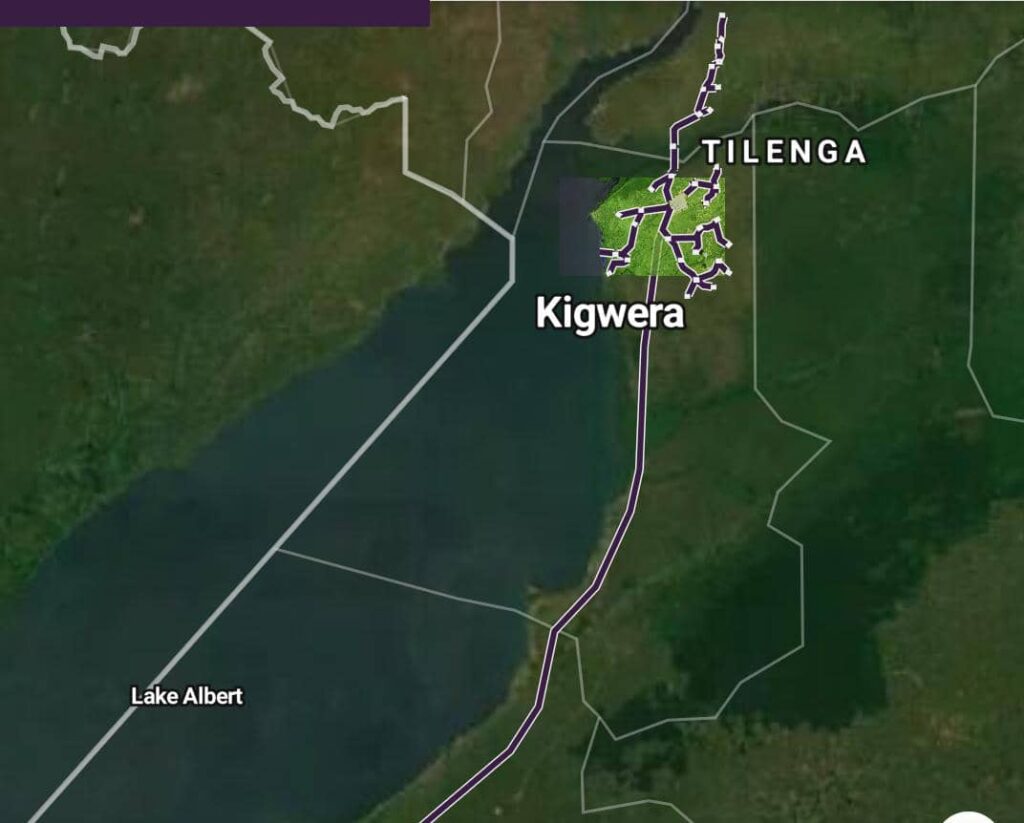
- A map showing part of the Oil exploration area in the Albertine region
“Increased activity in the Murchison Falls National Park is believed to have led to frequent and sometimes deadly incursions by wild animals, creating additional stress and damages for villagers. Moreover, TotalEnergies has left hundreds of compensation requests unaddressed despite the serious damage caused by flooding linked to the construction of the central processing facility in Tilenga,” the report reads.
According to the report, the Environment and Social Impact Assessment (ESIA) reports for Tilenga and Kingfisher include extensive analyses of certain risks, including different forms of pollution, water contamination, and human-wildlife conflicts as well as a series of mitigation measures that can be used to minimise the negative effects of oil exploration, preparation, production, and well rehabilitation.
The projects are mainly owned and operated by TotalEnergies and the China National Offshore Oil Company (CNOOC) in cooperation with the governments of Uganda and Tanzania.
“Thousands of inhabitants were relocated to make way for oil development and oil-related infrastructure, but many others still live in immediate proximity to oil sites and report the negative effects, often linked to ongoing construction, the projects have on their day-to-day lives,” reads the report citing new roads, clearances, oil operation facilities and infrastructure, and drilling are altering the local ecosystem and people’s ability to go about their daily lives.
The report further reveals that the community regularly complains of the dust, noise, light pollution, and vibrations as well as more severe impacts like flooding, road accidents, and wildlife accidents which the communities suspect are linked to the oil projects.
The report cites information showing how the community members are experiencing the effects of insufficient mitigation efforts and the inadequate implementation of planned mitigation measures.
“Dust from heavy traffic along the newly cleared roads has been associated with respiratory problems reported in scientific literature and by regulatory agencies. These problems had been identified by Total Energies and CNOOC as a risk in their respective impact assessments,” says the report revealing how the two companies have inadequately implemented what they promised to mitigate the effects of dust through water mist.
The report further reveals that new oil facilities have been linked to floods affecting local communities over the past two years with the most serious floods linked to the Central Processing Facility in Tilenga.
This is where an important section of land was cleared and leveled thereby creating new flood patterns.
“Hundreds of flood victims have yet to receive compensation from TotalEnergies. Inhabitants lost their homes, livestock, crops, wells, boreholes, and many had to relocate for extended periods. The company has only responded to a limited number of requests for compensation, those from persons living in the immediate vicinity and closest to the source of the flood. Satellite imagery shows that the flooding affected areas for many kilometres downstream, however,” the report reads.
The report also warns that oil spills are a serious threat to the environment and public health.
“Any oil spill in Lake Albert, Lake Victoria, or Murchison Falls would have grievous consequences on the region’s exceptional ecosystem and the communities who rely on it. The watersheds for both lakes are vital to tens of thousands of people across East Africa. Because the oil wells and the pipeline are located in remote areas, cleanup activities are particularly challenging and compounded by the high wax content in the crude oil,” the report adds.
Authored by the International Federation for Human Right (FIDH), Avocates San Frontieres (ASF) and the Civic Response on Environment and Development (CRED) with funding from OXFAM, the report is a follow-up to community-based impact assessments of the Tilenga and Kingfisher oil sites and the EACOP.
Launched at the media conference held in Paris, France, the report extensively documents an uptick in state repression of human rights defenders in 2024.
The report shows that the accelerating construction of the EACOP, Tilenga and Kingfisher oil projects in Uganda has ushered in new human rights violations while it aggravated existing ones.
Sacha Feierabend, FIDH’s Senior Researcher on business and human rights said that the latest evolutions in the Albertine are a concern having displaced thousands of people thereby making oil development significantly transforming the realities of local communities.
“Construction works, high inflation, pressure on land, deployment of security forces, and influx of workers have a considerable, combined impact on human rights. All actors – companies, the government, but also financiers, insurers, and shareholders providing a financial lifeline to the projects – should assess their involvement and take urgent steps to ensure they do not fuel human rights abuses,” Sacha said.
In a press statement, the Executive Director of CRED, Bashir Twesigye said that the report reveals an environment where sexual and gender-based violence is on the rise. Near Kingfisher and Tilenga, prostitution of women is described as a growing phenomenon.
He said that underage girls are involved, which constitutes a form of sexual exploitation while women are suffering the most negative consequences of local economic transformations.
“New work opportunities linked to oil have been mainly reserved to young men, while fishing restrictions have taken a toll on a traditionally male economic activity. Women and girls face stronger pressure to provide for their family while being largely excluded from the benefits of oil development,” he said.
Ugandan lawyer, Michael Musiime said that documented challenges linked to relocation programmes in Tilenga, including cases of inadequate compensations, lack of information and lengthy delays in compensation have continued along the EACOP.
While appealing for fairness, Musiime, also the Coordinator for Natural Resource Governance at Avocats Sans Frontières claimed that the Ugandan government has started expropriating the remaining households in expedited court procedures.
“Article 26 of Constitution provides a progressive legal framework that protects the right to private property and limits the state’s power to acquire and take possession of property for public use before paying compensation to the owner. The government has recently attempted to amend this position, and recent court cases have allowed the authorities to get access to contested property as soon as compensation is deposited in court. This has a direct impact on the principle of free, prior and informed consent as well as access to justice for affected communities,” he said.
Email: ekasozi333@gmail.com
Categories: Uncategorized
